
I spent years up front in busy community pharmacies, and I can tell you this: the technicians who seemed the least stressed about scheduling, raises, and burnout usually had one thing in common. They were building toward a niche.
Specializing does not mean you stop being a “regular” pharmacy tech. It means you stack skills that are harder to replace: cleanroom technique, hazardous drug handling, reimbursement knowledge, automation troubleshooting, data fluency, or even management of investigational meds.
Below are seven pharmacy technician specialties that often pay better than general retail roles. The fine print is that pay is wildly market-dependent. In some areas, a high-volume retail tech with strong differentials can come close to entry-level hospital pay. The bigger jumps tend to show up in higher-risk niches, hard-to-staff shifts, and specialized departments.

What makes a specialty pay more
Pay varies a lot by state, employer, and shift, but higher-earning tech roles typically have at least one of these built in:
- Higher risk and tighter standards (sterile compounding, hazardous drugs, radiation safety).
- Hard-to-train skills (cleanroom asepsis, IV workflow, automation and analytics).
- Coverage needs (overnights, weekends, on-call, travel, or hard-to-staff facilities).
- Regulatory pressure (USP standards, controlled substance diversion prevention, investigational drug accountability).
- Direct impact on revenue (prior auth, billing, 340B, medication access).
If you are still working toward certification, start there. I break down exam options here: PTCB vs ExCPT: which pharmacy technician exam should you take?
1) Sterile compounding (IV room)
Why it tends to pay more
Sterile work is high stakes. One break in aseptic technique can harm a patient. Hospitals also need consistent coverage for IV batches, antibiotics, TPNs, and perioperative meds, which often means evenings, weekends, or overnight shifts.
What the job often looks like
- Garbing and maintaining cleanroom discipline
- Preparing IV admixtures using laminar airflow workbenches or isolators
- Beyond-use dating, labeling, and documentation
- Working inside established workflows with pharmacist checks
Qualifications that help you break in
- National certification (commonly requested for hospital roles).
- Sterile compounding training offered by employers, local programs, or hospital onboarding.
- Math comfort, especially ratios, concentrations, and dilutions. If you need a refresh: Pharmacy math and conversions.
Reality check from the counter: if you want into sterile compounding, tell your manager you want the “messy” tasks now. People who volunteer for accuracy-focused work (count-back audits, inventory reconciliation, returns) usually transition more smoothly into cleanroom expectations.
2) Hazardous drug compounding (chemo and HD)
Why it tends to pay more
Handling hazardous drugs adds layers of PPE, engineering controls, waste procedures, and documentation. Some facilities may pay a premium, or offer differentials, because the work is harder to staff and demands strict adherence to safety standards.
What the job often looks like
- Compounding antineoplastics and other hazardous meds under containment
- Closed-system transfer device use and spill preparedness
- Receiving and storing HD inventory correctly
- Meticulous documentation and lot tracking
Qualifications that help you break in
- Sterile compounding competency first (many employers treat HD as a “level up”).
- Employer training aligned with USP hazardous drug handling expectations.
- A strong safety mindset and willingness to be coached.
If you are the kind of tech who likes checklists and controlled routines, this niche can fit well.
3) Nuclear pharmacy technician
Why it tends to pay more
Nuclear pharmacy is specialized, regulated, and schedule-driven. Doses often have short half-lives, and timing is everything. There are fewer candidate techs, fewer training pipelines, and tighter safety requirements.
What the job often looks like
- Preparing and packaging radiopharmaceutical doses under strict procedures
- Radiation safety practices, monitoring, and documentation
- Coordinating deliveries to imaging centers and hospitals on time-critical schedules
- Quality checks and recordkeeping
Qualifications that help you break in
- Strong reliability and punctuality (this field runs on timing).
- Comfort with tightly controlled processes and documentation.
- Employer-provided radiation safety training and site-specific onboarding.
Two things people underestimate: many nuclear shifts start very early, and some roles come with state-specific registration or extra facility requirements. Before you commit, double-check your state rules and the employer’s onboarding expectations.
To sanity-check what your state allows for pharmacy tech scope, bookmark my overview: Healthcare careers guide.
4) Medication history and reconciliation
Why it tends to pay more
Accurate med histories prevent medication errors and reduce readmissions. In many hospitals, especially larger systems, it is increasingly common to use trained techs to gather histories because techs can be thorough, consistent, and cost-effective when properly trained and supervised.
What the job often looks like
- Interviewing patients and caregivers about current meds, adherence, and OTC use
- Contacting community pharmacies and prescribers to verify fill histories
- Updating the EHR medication list for pharmacist review
- Flagging high-risk issues (duplicate therapy, anticoagulants, insulin, allergies)
Qualifications that help you break in
- Communication confidence and a calm interview style.
- Strong familiarity with common drugs and drug classes. I keep this practical here: Memorize the Top 200 drugs.
- Documentation accuracy and comfort using EHR workflows.

5) Pharmacy informatics and automation
Why it tends to pay more
This is where pharmacy operations meets technology. Techs who can keep automation running, troubleshoot dispensing cabinets, and communicate clearly with IT and pharmacists can become very hard to replace.
What the job often looks like
- Managing automated dispensing cabinets, packaging systems, and barcode workflows
- Building and maintaining medication dictionaries and item files (think drug file builds, barcode and NDC mapping, formulary flags)
- Investigating dispensing discrepancies and workflow breakdowns
- Training staff on new equipment or process changes
Qualifications that help you break in
- Become the “super-user” where you work now: volunteer for new rollouts, updates, and troubleshooting.
- Strong attention to detail and calm problem-solving.
- Comfort with controlled substance processes and documentation. (If you are studying, my foundational law overview helps: Pharmacy law and ethics: what you must know to pass.)
My old retail trick: when something breaks, do not just report it. Write down what happened right before it broke. That habit translates perfectly into informatics troubleshooting.
6) 340B and medication access roles
Why it tends to pay more
Access work protects revenue and helps patients afford therapy. When a tech can reduce rejected claims, keep 340B programs compliant, or streamline assistance workflows, leadership notices.
What the job often looks like
- Coordinating 340B eligibility workflows and audit readiness tasks
- Supporting prior authorizations and coverage verification
- Tracking manufacturer assistance programs and refill continuity
- Communicating with clinics, patients, and insurers
Day to day, this can look like working claim rejection queues, reprocessing claims after an insurance update, checking eligibility, and keeping a running tracker so nobody’s therapy falls through the cracks.
Qualifications that help you break in
- Strong organization and follow-up habits (this niche lives in spreadsheets, queues, and deadlines).
- Comfort talking with insurers and clinics.
- Basic understanding of codes and directions helps with accuracy when transmitting information. If you are building your foundation: Pharmacy sig codes and medical abbreviations.
7) Investigational drug services (IDS)
Why it tends to pay more
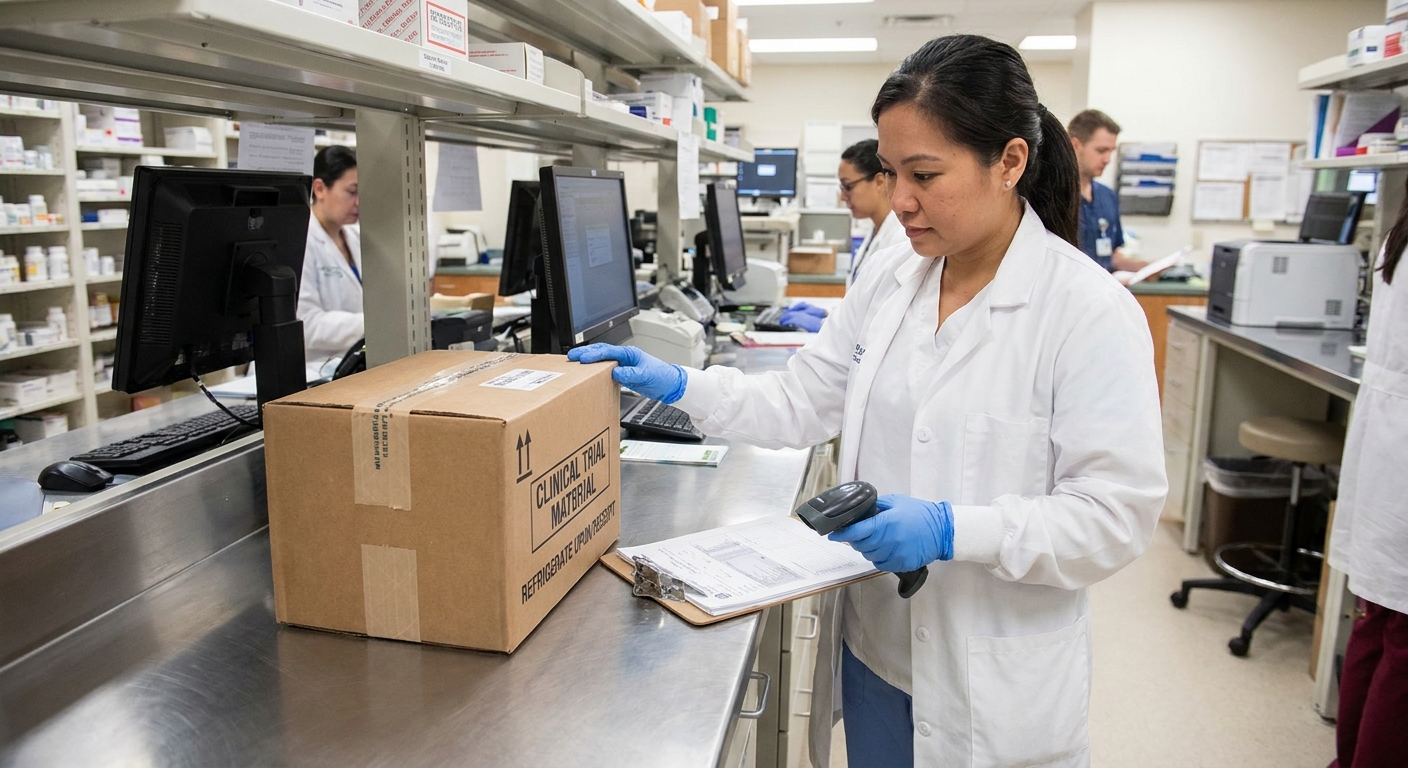
Research meds require tight accountability, storage rules, blinding procedures, and documentation. Errors can compromise a study, not just a single fill. That responsibility can come with better pay and a more structured schedule than retail, but it depends on the institution. Some IDS roles include on-call rotation, weekend coverage, or heavy administrative workload.
What the job often looks like
- Receiving, storing, and tracking investigational products
- Maintaining study binders, logs, and chain-of-custody documentation
- Preparing and dispensing study meds per protocol and pharmacist direction
- Coordinating with research coordinators, nurses, and sponsors
Qualifications that help you break in
- Proven documentation accuracy and comfort with audits.
- Experience with inventory management and controlled access areas.
- A calm, process-driven work style.
How to choose the right specialty
When I helped new hires map their next step, I used a simple filter. Pick the specialty that matches your natural strengths, not just the highest rumored pay.
- If you like precise routines and quiet focus: sterile compounding, hazardous drugs, nuclear.
- If you like people and problem-solving: med rec, medication access.
- If you like systems and troubleshooting: informatics and automation.
- If you like documentation and controlled processes: IDS and research pharmacy.
If you are early in your journey, I would start by building a clean study plan and getting certified first, then using your first tech job as a launchpad. My organizing approach is here: Organise pharmacy tech exam study sources.
Steps to break into these niches
1) Get your baseline credentials solid
Many specialty employers prefer or require national certification, plus whatever your state needs for registration or licensure. If you are still choosing an exam path, start with: PTCB vs ExCPT.
2) Check your state rules before you chase a niche
This is the part that saves you time. Tech scope can change by state and employer policy, especially around controlled substances, med history collection, nuclear environments, and any role that touches high-risk meds. Before you invest months aiming at a specialty, confirm what your state board and your target employer actually allow a technician to do. If you want a starting point for planning, see: Healthcare careers guide.
3) Build a “proof of accuracy” track record
Specialties hire for trust. Ask to help with:
- cycle counts and inventory reconciliation
- controlled substance counts (where allowed)
- returns, recalls, and documentation-heavy tasks
- training new staff on workflow basics
4) Speak specialty language in your interviews
You do not need to pretend you have done hospital cleanroom work if you have not. You do need to show you understand the expectations: checklists, double-check culture, documentation, and coachability.
If you want help tightening your answers, I wrote a step-by-step guide here: Job interview tips.
5) Signal interest where you are
One of the cleanest ways to get a specialty job is to look like you are already doing the mindset work. Ask about cross-training, request a job shadow, and keep a simple list of competencies you have mastered (inventory audits, discrepancy research, cleanroom garbing, documentation tasks). Those details give you something concrete to put on a resume besides “worked retail.”
6) Be willing to shift
One of the fastest ways into better pay is taking the shift nobody wants, at least for a season. Evening IV batch work, weekend med rec coverage, or early-morning nuclear schedules often come with differentials and faster skill growth.
FAQ
Do I need extra certification for specialties?
Sometimes yes, sometimes no. Many specialties rely on employer training and documented competencies more than a separate certificate. That said, national certification is a common baseline for hospital and specialty employers, and it can make your resume easier to shortlist.
Which specialty pays the most?
It depends on your location and employer. Roles with higher risk and tighter compliance can rise to the top, like hazardous drug compounding, nuclear pharmacy, informatics leadership tracks, and certain advanced hospital roles. In other markets, shift differentials and overtime have as much impact as the niche itself.
Can I move from retail to hospital specialties?
Yes. I have watched plenty of strong retail techs make that jump. The winning combination is certification (when possible), a documented accuracy mindset, and a willingness to learn a new workflow without taking feedback personally.