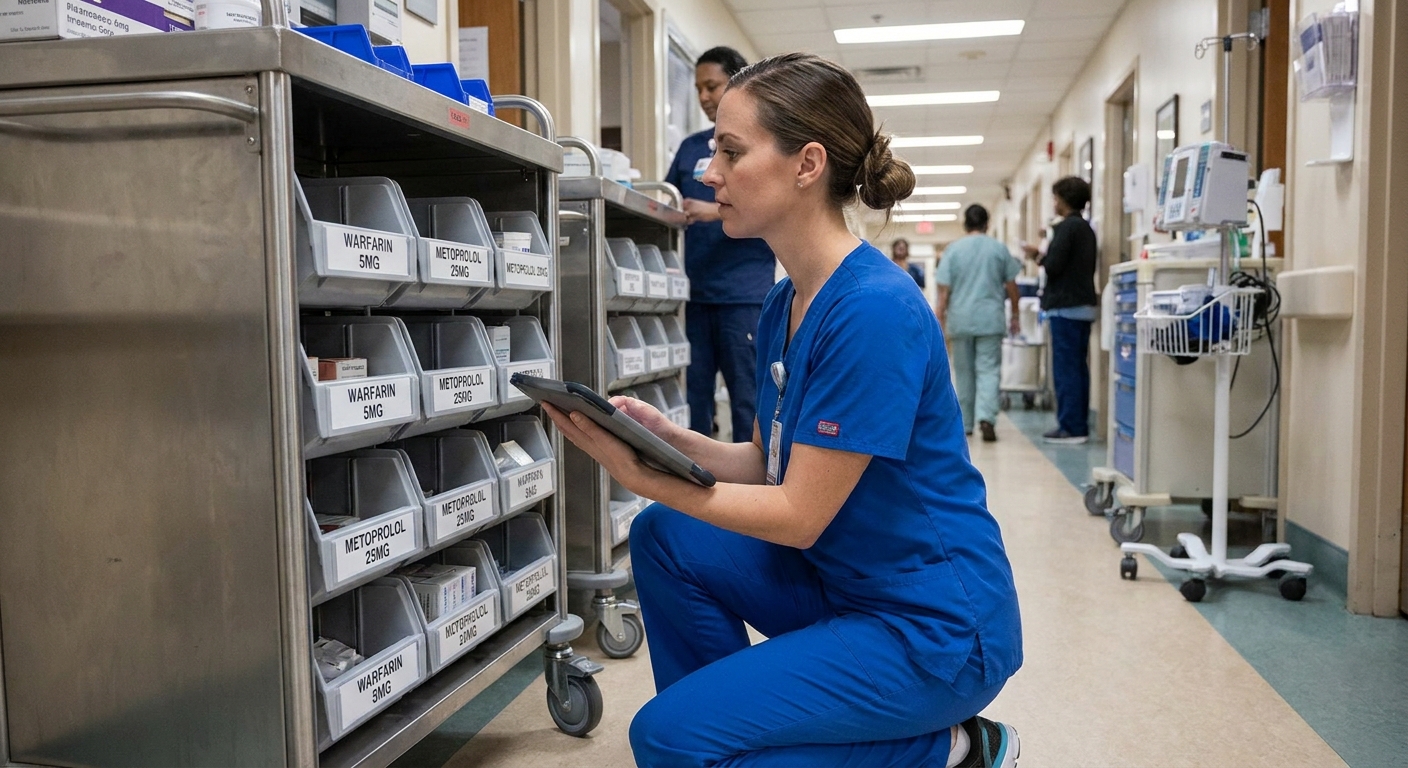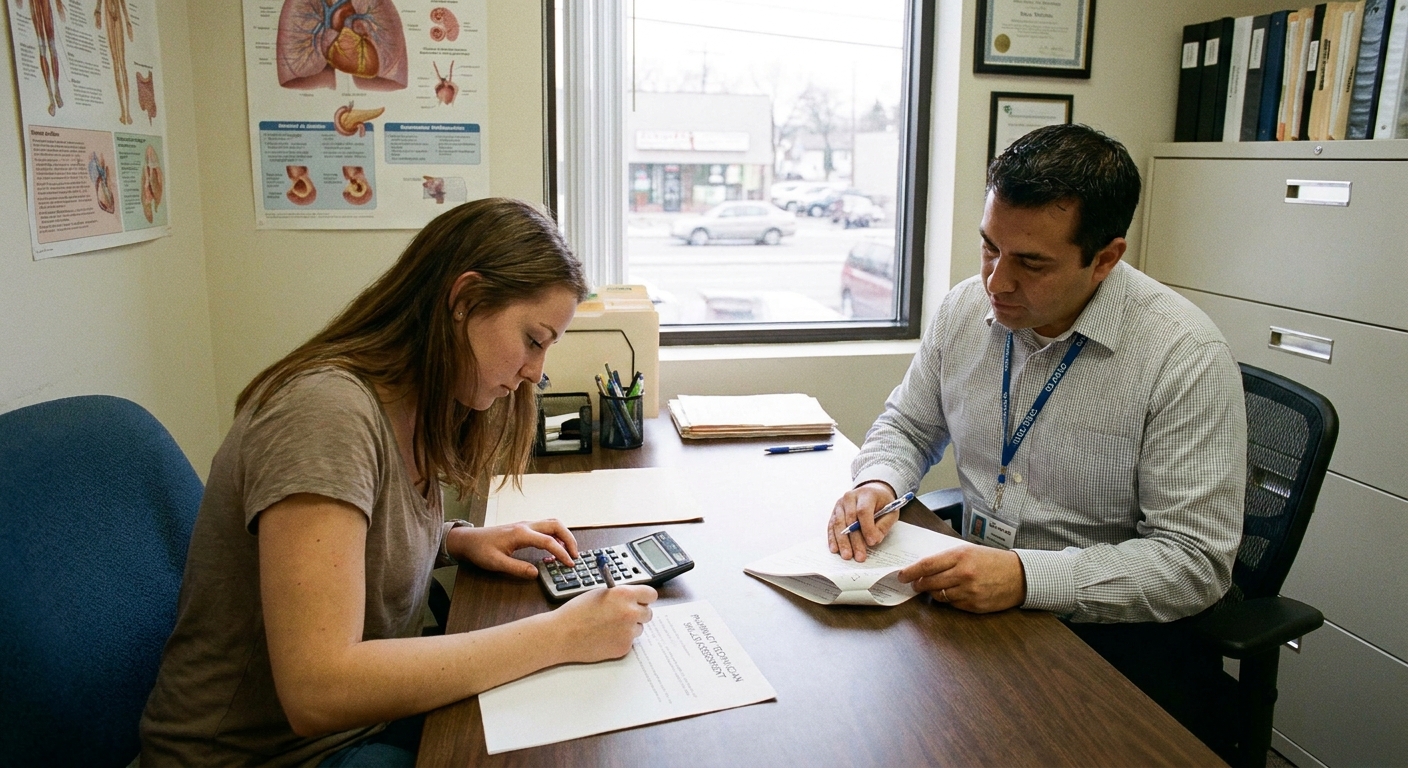

I used to think interview outfits were mostly about looking “professional.” Then I watched a few great candidates quietly lose momentum the moment they walked in, not because they were unqualified, but because they looked unprepared for a healthcare workplace.
Pharmacies are a little different from standard office jobs. You are interviewing for a role that is part customer-facing service, part detail-heavy safety work, and sometimes part warehouse. Your outfit should say: I take accuracy seriously, I can represent the pharmacy, and I can move comfortably in a real work environment.
The default rule: aim one step above the job
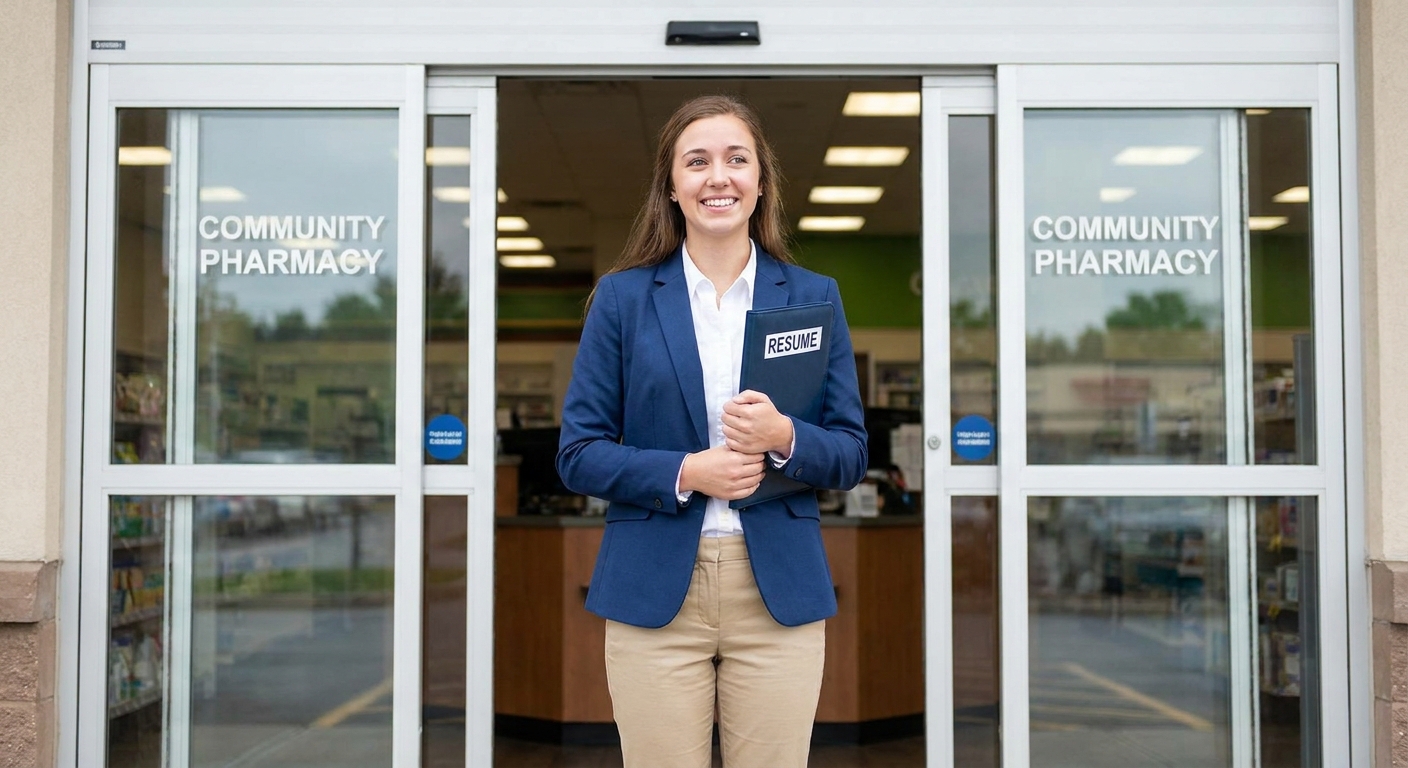
If you are unsure what the dress code is, the safest target for a pharmacy technician interview is polished business casual.
In plain terms, that means clean lines, neutral colors, minimal accessories, and shoes you could stand in. In most pharmacies, techs work in scrubs or a uniform polo once hired. For the interview, you want to look slightly more elevated than that, without looking like you are heading to a black-tie event.
- When in doubt: business casual beats casual every time.
- Better than underdressed: it is usually easier to relax a dressy outfit (remove a blazer, open the collar) than to rescue an outfit that reads too casual.
Dress codes you will hear, translated
Business professional
Translation: Suit-level polish. This is more likely in large hospital systems, corporate-style hiring processes, or interviews that include multiple stakeholders.
- Wear: matching suit or a blazer with tailored trousers, closed-toe shoes, simple belt, conservative colors (navy, charcoal, black).
- Skip: loud prints, statement jewelry, bright sneakers.
Business casual
Translation: The sweet spot for most retail and many hospital tech interviews.
- Wear: collared shirt or blouse, cardigan or blazer optional, tailored pants or knee-length skirt, closed-toe flats or low heels, clean leather-look shoes.
- Skip: jeans (unless explicitly told they are fine), hoodies, graphic tees.
Smart casual
Translation: A little relaxed, but still interview-ready. This sometimes shows up for independent pharmacies or second interviews.
- Wear: neat sweater or knit top, chinos or tailored dark pants, closed-toe shoes.
- Skip: leggings as pants, distressed denim, sandals.
Scrubs
Translation: Only wear scrubs if you are specifically instructed to, or if it is a working interview where you will be shadowing and stepping into workflow.
If you do wear scrubs, treat it like an interview outfit. Clean, well-fitting, wrinkle-free, neutral color, and paired with closed-toe shoes.
Outfit ideas that work in real pharmacy interviews
Option A: Retail pharmacy safe pick
- Solid-color blouse or button-down
- Tailored pants (ankle-length is fine if it looks intentional)
- Cardigan or simple blazer
- Closed-toe shoes such as loafers, simple flats, or clean leather-look sneakers with no bright logos
Option B: Hospital or health system interview
- Blazer with matching trousers, or a coordinated blazer and slacks
- Neutral top underneath (no low neckline)
- Closed-toe shoes with a stable sole
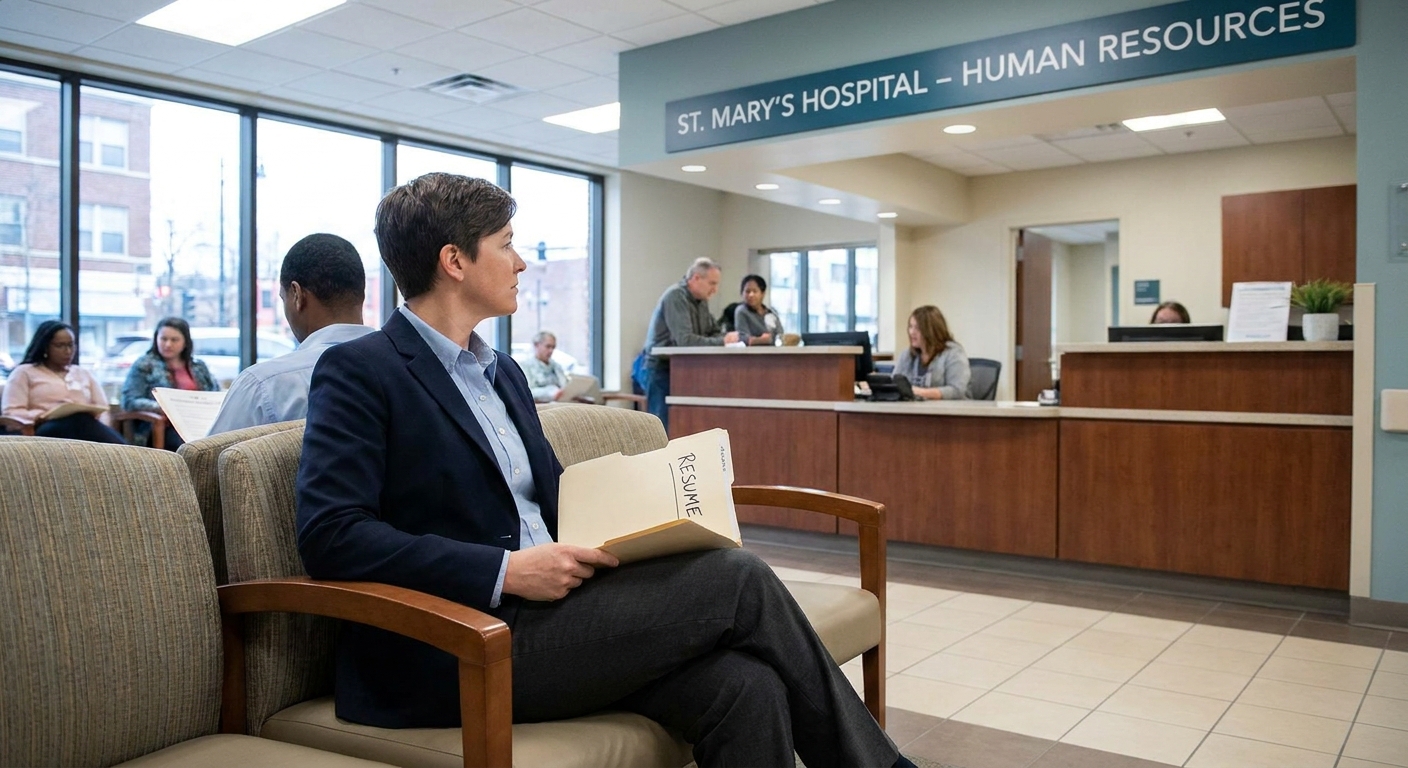
- Minimal jewelry and a structured bag or folder
Option C: Working interview or shadow shift
- Business casual outfit you can move in, unless told to wear scrubs
- Shoes suitable for standing and quick walking
- Hair secured (especially if you have long hair)
If you are also prepping for the non-clothing side of the interview, my best companion guide is Top 15 Pharmacy Technician Interview Questions and How to Answer Them.
Retail vs hospital: what changes
Retail interviews
Retail is front-of-house heavy, so your outfit reads as a proxy for how you will present at pickup or drive-thru.
- Prioritize: approachable polish, neat grooming, comfortable standing shoes.
- Avoid: anything that looks like you are headed to the gym, or anything that feels nightclub-level dressy.
Hospital interviews
Hospitals can lean more formal in the interview stage, especially if you are meeting multiple people or HR first. Even if the day-to-day role is scrubs, interviews may still skew more business professional than you would expect.
- Prioritize: conservative fit, clean tailoring, subdued colors.
- Avoid: strong fragrances (more on that below), noisy accessories, open-toe shoes.
For a deeper comparison of how interviews tend to feel in each setting, see Hospital vs Retail Pharmacy Interviews.
What not to wear
I have watched managers clock these details immediately because they connect to safety, hygiene, and professionalism.
- Open-toe shoes or sandals: pharmacies have sharps containers, dropped stock bottles, spills, and fast movement.
- Strong perfume or cologne: many hospitals prefer minimal scent, and some have fragrance-free expectations.
- Wrinkled clothing: reads as rushed and unprepared.
- Distracting jewelry: big bangles, long necklaces that swing, loud earrings.
- Low-cut tops or short hems: you will be bending, reaching, and moving.
- Hats or beanies: unless required for religious or medical reasons.
- Graphic slogans: even positive ones. Save them for off days.
- Jeans: not automatically wrong, but too risky unless you were told “casual is fine.”
Grooming details that matter in pharmacy
Pharmacy hiring teams tend to notice “hygiene-adjacent” details because so much of the job is built on cleanliness and precision.
- Nails: clean and trimmed. If you wear polish, keep it neat and chip-free. Avoid anything that could snag gloves or draw attention away from you.
- Hair: tidy and controlled. If you have long hair, consider pulling it back.
- Facial hair: neat lines, intentional grooming.
- Makeup: natural or light is safest, especially for healthcare environments.
- Breath and scent: fresh, but low fragrance. Mints are fine. Overpowering scent is not.
- Tattoos and piercings: follow the employer’s vibe. If you are unsure, keep it simple for the interview (small studs, minimal facial piercings, and consider covering tattoos that could distract in a conservative setting).
Outerwear, masks, and weather
- Outerwear: a clean coat and simple bag help you arrive looking pulled together. If you commute in a hoodie or heavy jacket, plan to remove it before you walk in.
- Masks: if you choose to wear one, keep it clean and plain. In healthcare settings, it will not look out of place.
- Hot weather: breathable fabrics (cotton blends, lightweight knits) and a light cardigan can keep you polished without overheating.
How to dress if you cannot afford a whole new outfit
You do not need a brand-new wardrobe to look interview-ready. You need clean, coordinated basics that fit well.
- Choose one neutral base: black, navy, gray, or tan pants or skirt.
- Add one solid top: white, cream, light blue, or muted color.
- Layer if needed: a cardigan can instantly make an outfit look more “finished.”
- Prioritize fit: a $15 shirt that fits your shoulders looks sharper than a $60 one that does not.
- Borrow strategically: a blazer from a friend or family member can carry the whole look if it fits properly.
If you are also building your materials on a budget, you might like Best Free and Low-Cost Pharmacy Tech Study Resources for the studying side of the process.
Quick night-before checklist
- Try the full outfit on and sit, stand, and walk in it
- Check for wrinkles under normal light
- Make sure your shoes are clean and not squeaky
- Pack a simple folder with copies of your resume and a pen
- Set fragrance to minimal or none
And if you want a calm, practical run-through of everything else to prep, start with Job Interview Tips.
FAQ
Should I wear scrubs to a pharmacy technician interview?
Only if they tell you to, or if you are doing a working interview where you will be in the workflow. Otherwise, business casual is safer and reads more prepared.
Are jeans ever okay?
Sometimes, especially at independent pharmacies or for second interviews. But unless the employer explicitly says casual is fine, jeans are a risk. If you wear them, pick dark, non-distressed jeans with a belt and a blazer or structured cardigan.
What colors are best?
Neutral, calm colors: navy, black, gray, beige, cream, light blue. These photograph well, look clean under fluorescent lighting, and keep attention on your answers.
What shoes should I wear?
Closed-toe shoes with a stable sole. Loafers, simple flats, or low heels are all solid choices. If you go the sneaker route, keep them clean, plain, and professional-looking.
What if I overdress?
Overdressing is usually fixable. You can remove a blazer or loosen a tie. Underdressing is harder to recover from because it can read as not taking the role seriously.
My practical bottom line
For a pharmacy technician interview, you want to look like someone who can be trusted with controlled substances, patient privacy, and fast-paced workflow. That is the signal you want to send.
If you keep it clean, fitted, closed-toe, and quietly professional, you are almost always in the right zone. Then you can focus on what matters most: your communication, your math comfort, your accuracy habits, and the way you handle pressure.
If you are practicing for the skills portion too, pair this with How to Pass the Pharmacy Technician Interview Math and Skills Assessment.