
I used to watch new hires in my store do the same thing every exam season: they would collect three study books, six browser tabs, and a growing pile of flashcards and then freeze, because they never had a simple plan for what to do today.
This 30-day PTCB study schedule is the plan I wish I could have handed across the counter. It is not fancy. It is consistent. And it is built around how most people actually learn: short daily reps, spaced review, and frequent self-checks.
Before you start: set up your 30-day system
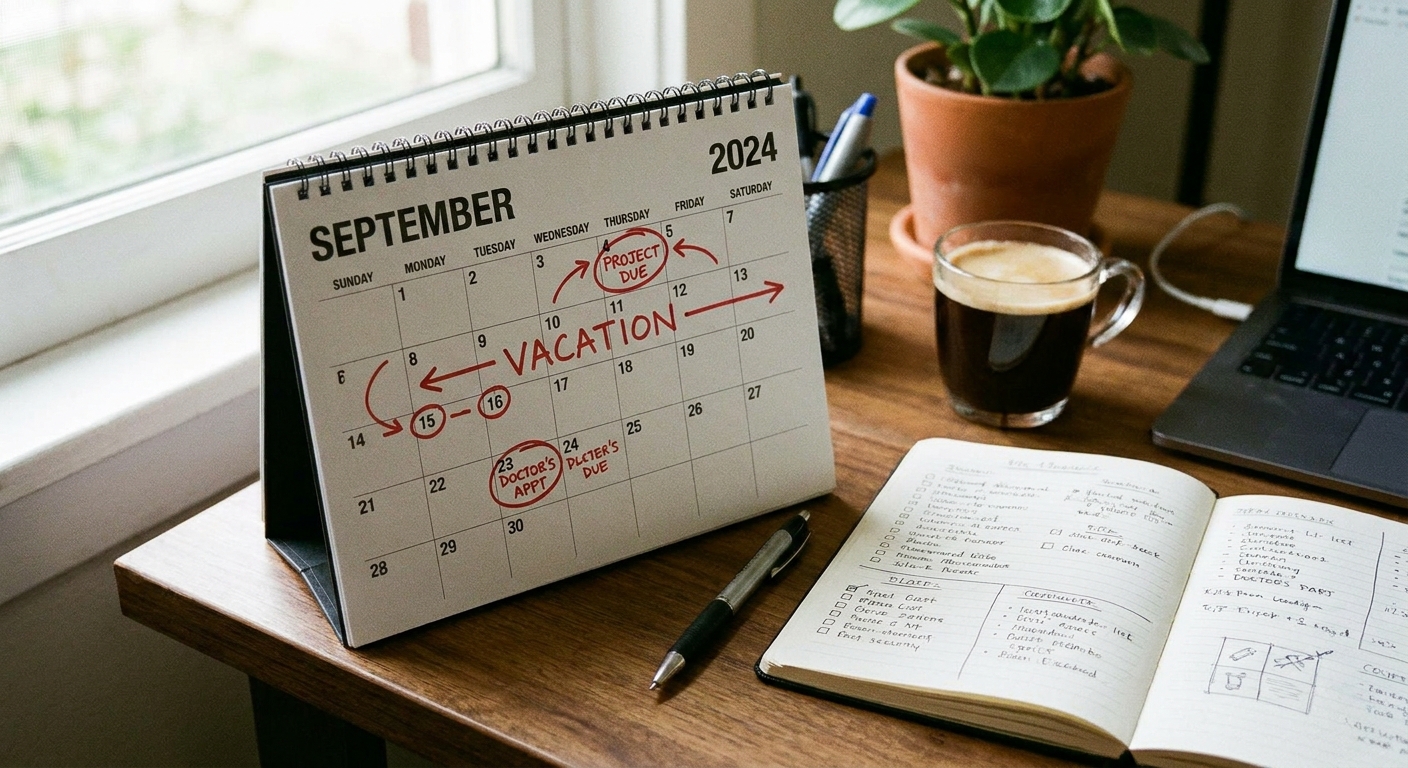
Take 30 minutes today to set yourself up. This is how you keep a 30-day plan from turning into a 9-day sprint and a 3-day panic.
What you need
- One primary course or book (your “home base”). Use any reputable PTCB-aligned resource, but do not bounce between five different outlines.
- One set of practice questions (an online bank or a workbook).
- Flashcards for Top 200 drugs, conversions, and common sig codes. Physical or digital is fine.
- A simple tracker: a notes app checklist or paper calendar. Nothing complicated.
Daily time targets (pick one and stick to it)
- Core plan: 60 to 90 minutes per day.
- Limited-time plan: 45 minutes per day on weekdays, 2 hours on one weekend day.
- Fast-track plan: 2 hours per day, with one longer practice test day per week.
If you are still choosing an exam or unsure what the test actually covers, start here: PTCB exam guide. If you are deciding between exams, use PTCB vs ExCPT.
How to use this schedule
Every day in this plan has three parts:
- Learn (30 to 45 min): read or watch a targeted topic.
- Recall (15 to 25 min): quiz yourself with flashcards or closed-book notes.
- Apply (10 to 20 min): do practice questions, focusing on why the wrong answers are wrong.
Two rules from my retail years training people on the fly:
- Never end a session without testing yourself. Re-reading feels productive. Retrieval is productive.
- Track misses, not hours. Your “weak list” is where your score comes from.
One small clarification that makes this plan more realistic: when I say “15 to 25 Top 200 cards,” think 15 to 25 new plus a quick review of older cards that you keep missing. The review pile is where long-term recall gets built.
If you want a clean way to organize everything you are using, follow how to organize pharmacy tech exam study sources.

Week 1 (Days 1 to 7): Foundation
Goal this week: get your baseline score, set up your drug study loop, and lock in the math you will use all month.
Day 1: Baseline and game plan
- Take a 30 to 60 question diagnostic (timed if possible).
- Start a “Weak List” with three columns: Topic, What I missed, Fix.
- Set your daily study time on your calendar for the next 30 days.
Day 2: Federal requirements and controlled substances
- Study: core pharmacy law concepts, controlled substance schedules, recordkeeping basics.
- Practice: 15 to 25 questions on law.
- Flashcards: 15 Top 200 drug cards (brand to generic).
Deep dive when you need it: pharmacy law and ethics.
Day 3: Pharmacy calculations I
- Study: fractions to decimals, ratios, percent strength basics.
- Practice: 15 to 20 calculation questions.
- Flashcards: 15 Top 200 (generic to brand).
Use this as your anchor: pharmacy math and conversions.
Day 4: Dosage forms and routes
- Study: common dosage forms, routes of administration, dosage form pitfalls (IR vs ER, SL vs buccal).
- Practice: 20 questions mixed.
- Flashcards: 15 Top 200 (therapeutic class focus if your deck supports it).
Day 5: Sig codes and abbreviations
- Study: common sig codes, abbreviations, and look-alike abbreviations that cause errors.
- Practice: translate 20 sigs from memory, then check.
- Flashcards: 15 Top 200.
Keep this open all month: sig codes and medical abbreviations.
Day 6: Pharmacy calculations II
- Study: household to metric, weight-based dosing conceptually, mg to mL using concentration.
- Practice: 20 to 25 calculation questions.
- Flashcards: 20 Top 200.
Day 7: Weekly checkpoint
- Mini exam: 40 questions mixed, timed.
- Review: update your Weak List with the top 5 misses.
- Light drug review: 30 flashcards, fast.
Week 2 (Days 8 to 14): Meds and safety
Goal this week: make Top 200 progress daily and connect drugs to indications, common interactions, and error-prevention habits.
Quick reminder before you get drug-heavy: the PTCB is not a Top 200 trivia contest. Keep doing at least a small set of math, law, or workflow questions most days so you do not drift.
Day 8: Top 200 loop I (cardio and metabolic)
- Study: hypertension, cholesterol, diabetes drug families at a high level (what they treat, common suffixes and prefixes).
- Practice: 25 questions focused on medications.
- Flashcards: 25 Top 200 (mix brand to generic and indication).
If your drug memorization feels slippery, use how to memorize the Top 200 drugs.
Day 9: Medication safety
- Study: high-alert medications, look-alike sound-alike ideas, tall man lettering conceptually, verifying patient identifiers.
- Practice: 20 questions mixed.
- Flashcards: 20 Top 200.
Day 10: Top 200 loop II (anti-infectives)
- Study: antibiotics, antivirals, antifungals basics and common counseling points.
- Practice: 25 medication questions.
- Flashcards: 25 Top 200 (include 5 that commonly confuse you).
Day 11: Order processing workflow
- Study: intake, data entry, DUR basics, insurance rejections (common reasons and what to try next).
- Practice: 20 workflow and safety questions.
- Flashcards: 20 Top 200.
Extra practice scenarios: hospital vs retail exam scenarios.
Day 12: Top 200 loop III (CNS and pain)
- Study: antidepressants, anxiolytics, antipsychotics, ADHD meds, opioid basics (focus on safety and controlled status awareness).
- Practice: 25 medication questions.
- Flashcards: 25 Top 200.
Day 13: Compounding basics
- Study: compounding terminology, basic expiration date vs beyond-use date differences, and core sterile technique concepts (keep it simple).
- Practice: 20 questions on compounding and procedures.
- Flashcards: 20 Top 200.
Day 14: Weekly checkpoint
- Mini exam: 50 questions mixed, timed.
- Review: rewrite your Weak List into the top 3 themes (example: conversions, law exceptions, similar drug names).
- Drug sprint: 40 flashcards in 10 minutes.
If you are short on time this week, keep two things sacred: one mixed question set (even 20 questions) and your daily Top 200 review. Everything else can be trimmed.
Week 3 (Days 15 to 21): Practice and weak spots
Goal this week: your studying gets more targeted. The question bank becomes your coach.
Day 15: Math mastery day
- Study: concentration, dilution concepts, and dose calculations you miss most.
- Practice: 30 calculation questions.
- Flashcards: 15 Top 200.
Day 16: Law and ethics scenarios
- Study: patient privacy basics, technician scope awareness, and when to pause and escalate to the pharmacist.
- Practice: 30 law and ethics questions.
- Flashcards: 20 Top 200.
Day 17: Top 200 loop IV (respiratory and GI)
- Study: asthma and COPD meds, GERD meds, nausea and constipation basics.
- Practice: 25 medication questions.
- Flashcards: 25 Top 200.
Day 18: Inventory and quality assurance
- Study: storage conditions, expiration date vs beyond-use date basics, recalls conceptually, inventory rotation.
- Practice: 25 questions mixed.
- Flashcards: 20 Top 200.
Day 19: Weak List repair
- Pick your top two weak areas and re-learn them from scratch.
- Do 40 targeted questions only on those areas.
- Flashcards: 15 Top 200 (only your “problem children”).
If you are not sure what to focus on, use this approach: use practice tests to find weak spots.
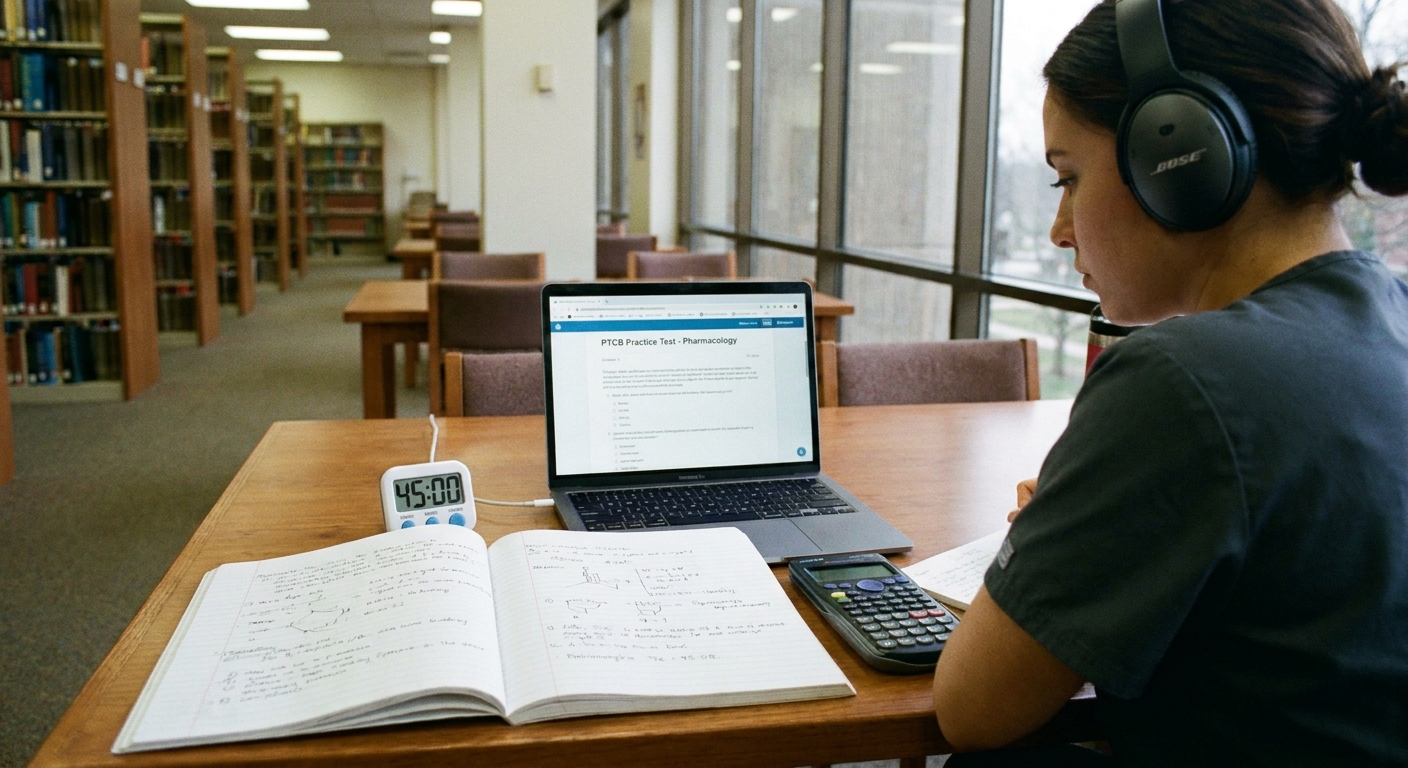
Day 20: Full practice exam (timed)
- Use a practice exam that mirrors the PTCB format as closely as your resource allows, including timing and question count.
- Simulate test conditions as closely as you can.
- After: take a break, then do a careful review of every missed or guessed question.
- Make a “Last 10 Days” hit list of topics.
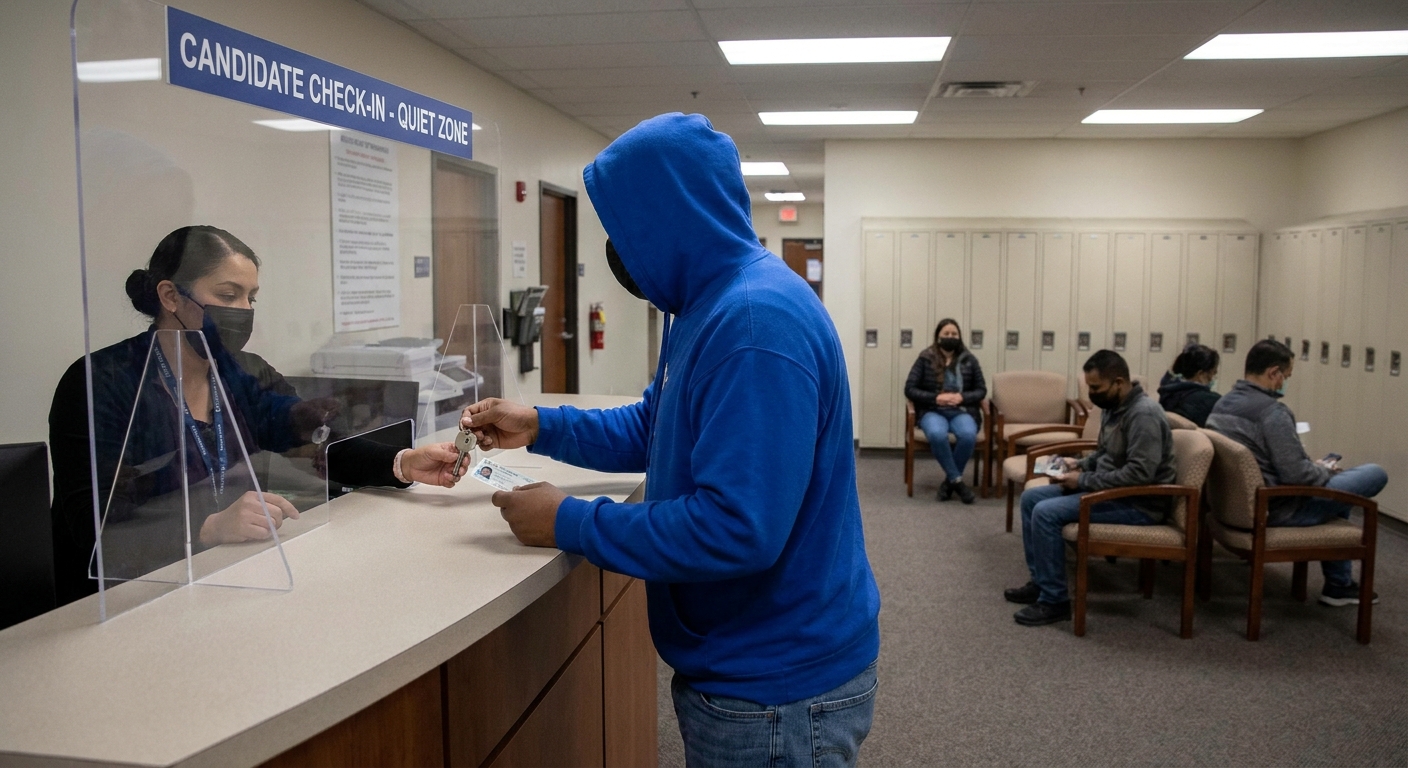
Also, take five minutes today to think about logistics. Are you testing in person or online? Either way, you will do better if you already know your ID plan and what test day will look like. My walkthrough is here: PTCB test day checklist.
Day 21: Recovery and retention
- Light review: 60 minutes max.
- Rewrite your hardest conversions and formulas on one page from memory, then check.
- Flashcards: 40 Top 200, steady pace.
Week 4 (Days 22 to 30): Final review
Goal this week: shift from learning new material to sharpening recall, timing, and confidence. You are trying to be calm and accurate, not encyclopedic.
Day 22: Top 200 loop V (endocrine and misc)
- Study: drug classes you keep mixing up (thyroid meds, steroids, topical agents, eye and ear).
- Practice: 25 medication questions.
- Flashcards: 25 Top 200.
Day 23: Calculations mixed set (timed)
- Practice: 35 questions, timed.
- Review: write a one-sentence explanation for each miss.
- Flashcards: 15 Top 200.
Day 24: Law rapid review
- Study: controlled substance core rules, labeling logic, documentation mindset.
- Practice: 30 law questions.
- Flashcards: 20 Top 200.
Day 25: Compounding and quality checks
- Study: key terms and safety checkpoints.
- Practice: 25 questions on compounding and procedures.
- Flashcards: 20 Top 200.
Day 26: Full practice exam (timed)
- Take a second full exam under realistic conditions, matching timing and question count to your practice resource and exam expectations.
- Compare results to Day 20. Identify what improved and what stubbornly did not.
- Choose your final 3 focus buckets (example: math, law, Top 200 confusion pairs).
Day 27: Fix the confusion pairs
- Drugs: list 10 confusion pairs (similar names or similar indications).
- Create quick contrast notes: what makes each one distinct.
- Practice: 30 medication questions, targeted.
Day 28: Mixed review sprint
- Practice: 60 mixed questions in two 30-question blocks.
- Review: focus on test strategy errors (rushing, misreading units, changing answers without reason).
- Flashcards: 50 Top 200.
Day 29: Light review and test-day prep
- Light study only: 45 to 60 minutes.
- Skim your one-page formulas and top notes.
- Pack what you need and confirm your plan for the day.
Use my test-day walkthrough: PTCB test day checklist.
Day 30: Exam day (or day before)
- If this is the day before: do very light flashcards only, then stop.
- If this is exam day: eat something simple, arrive early, and trust your prep.
If you are short on time this week, do not add more notes. Add more retrieval: short timed sets, then review your misses. That is the fastest path to a calmer score.
Matching your book to this plan
Different prep books label chapters differently, but most resources still cover the same recurring themes. Use this as a practical mapping, not an official set of PTCB category names. If your book groups topics differently, match chapters to the intent below and keep moving.
- Medications: Top 200, therapeutic classes, indications, interactions, storage.
- Federal requirements: controlled substances, labeling, records, scope, privacy basics.
- Patient safety and quality assurance: error prevention, high-alert meds, look-alike sound-alike awareness.
- Order processing: intake to fill workflow, insurance basics, calculations in context.
- Calculations: conversions, concentrations, dosage calculations, units and proportions.
- Compounding: non-sterile basics, sterile principles, terminology, safety mindset.
If your book has a long “pharmacy operations” section, spread it across Weeks 1 to 3 and keep Week 4 primarily for practice and recall.
If you fall behind: two-day reset
It happens. Schedules break. Shifts run late. Kids get sick. Here is the reset I recommend instead of quitting.
Reset Day A (60 to 90 minutes)
- Do 30 mixed practice questions.
- Review every miss.
- Study only the top 2 weak areas you just exposed.
Reset Day B (45 to 60 minutes)
- Flashcards: 50 Top 200.
- Math: 15 quick conversion and dose problems.
- Law: 10 scenario questions.
Then drop back into the schedule where you are, not where you “should” be. Consistency beats perfection.
Quick FAQs
Is 30 days enough to pass the PTCB?
It can be enough, especially if you already have some basics from work experience or a training program and you can study most days. If you are brand new to pharmacy, you may do better stretching this structure to 6 to 8 weeks by adding rest and catch-up days.
How many Top 200 drugs should I learn per day?
In this schedule I aim for 15 to 25 new cards per day, plus a quick review of older cards you are still missing. If you try to cram 100 new drugs in one day, your recall usually crumbles by test day.
Should I memorize every conversion?
Memorize the common ones (especially household to metric) and practice applying them. The exam rewards correct setup and unit awareness as much as raw memorization.
What is the single best way to raise my score fast?
Do timed question sets, review mistakes deeply, and turn those mistakes into a short Weak List you revisit every week.
Related guides on Pharmacy Tech Study
- Study guides hub
- Best free and low-cost study resources
- Pharmacy law and ethics
- Pharmacy math and conversions
- Memorize the Top 200 drugs